
The children’s brain health charity.
Transforming what’s possible.
From an urgent call to an extraordinary journey
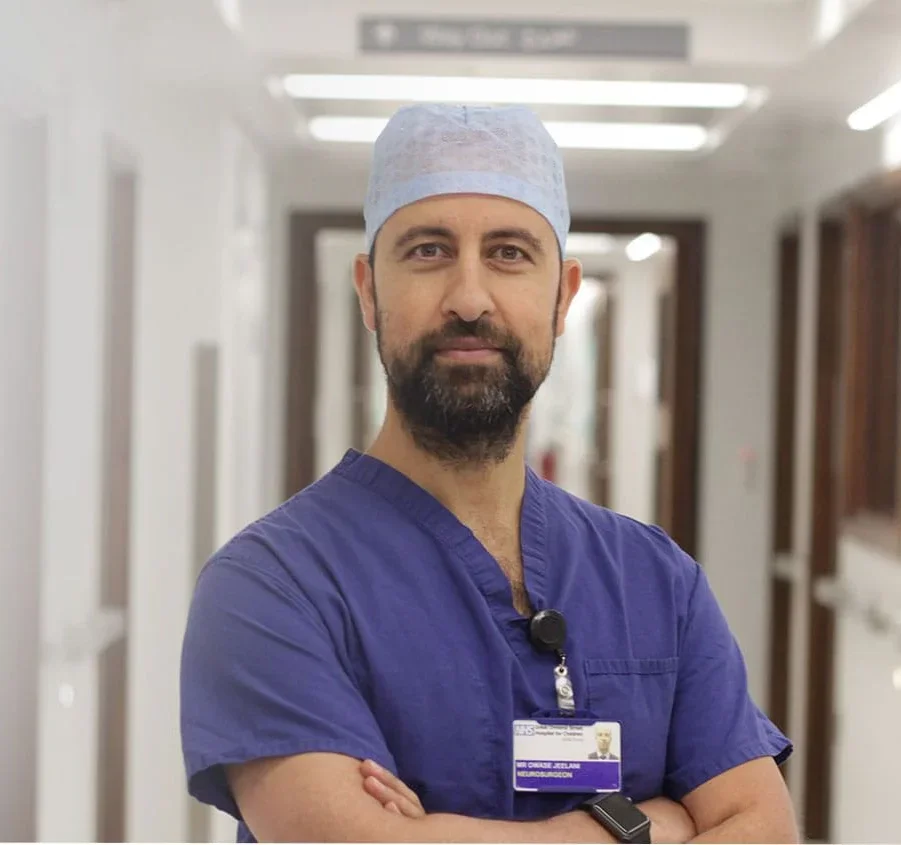
Welcome to Gemini and thank you for taking the time to learn about our work.
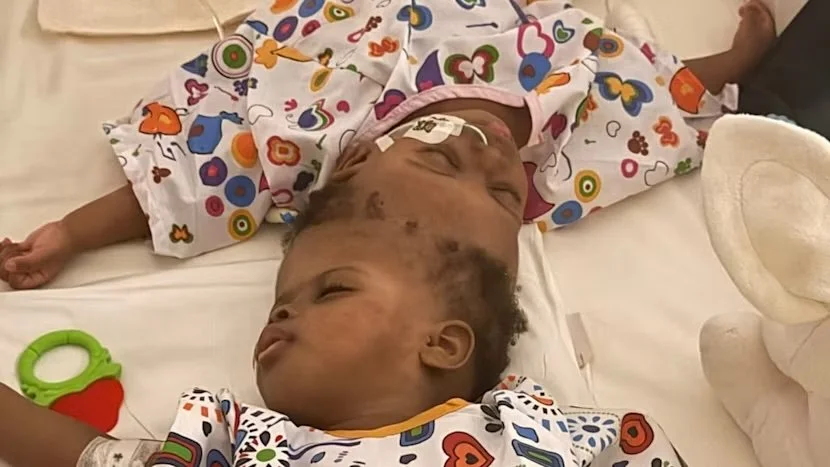
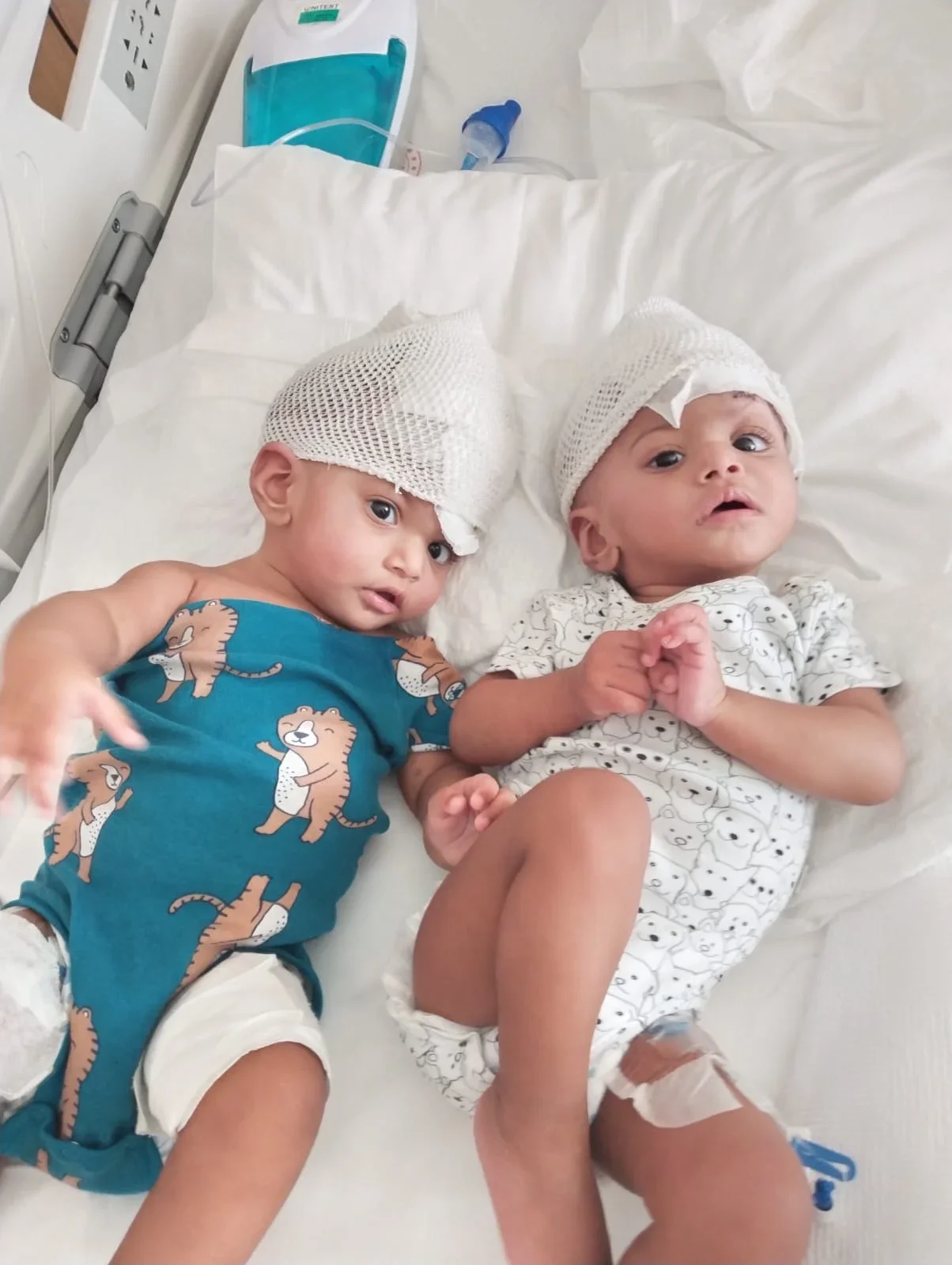
Gemini began in 2018 with an urgent request to help save the lives of Safa and Marwa, two year old twins joined at the head. Their surgery demanded extraordinary skill and teamwork. It also brought home something that I have seen throughout my career as a neurosurgeon: successful operations can change a child’s life, but what happens before and afterwards matters just as much.
For a child facing highly complex neurosurgery (whether as a result of inherited conditions, brain injury, cancer or neurological conditions) that means bringing together the best possible surgery with the research, rehabilitation and family support that can help them recover and thrive. It means sharing knowledge and training others, so that more children can benefit from advances in care.
Gemini is a young charity with big ambitions. We are curious, creative and willing to explore new approaches, including technology and AI, where they can make a meaningful difference to children’s lives. Our work has grown beyond the extraordinary challenge that first brought us together, but the spirit behind it remains the same: to bring people and ideas together and give every child the best possible chance to survive, recover and thrive.
Professor Owase Jeelani
Founder, Gemini
What We Do
-
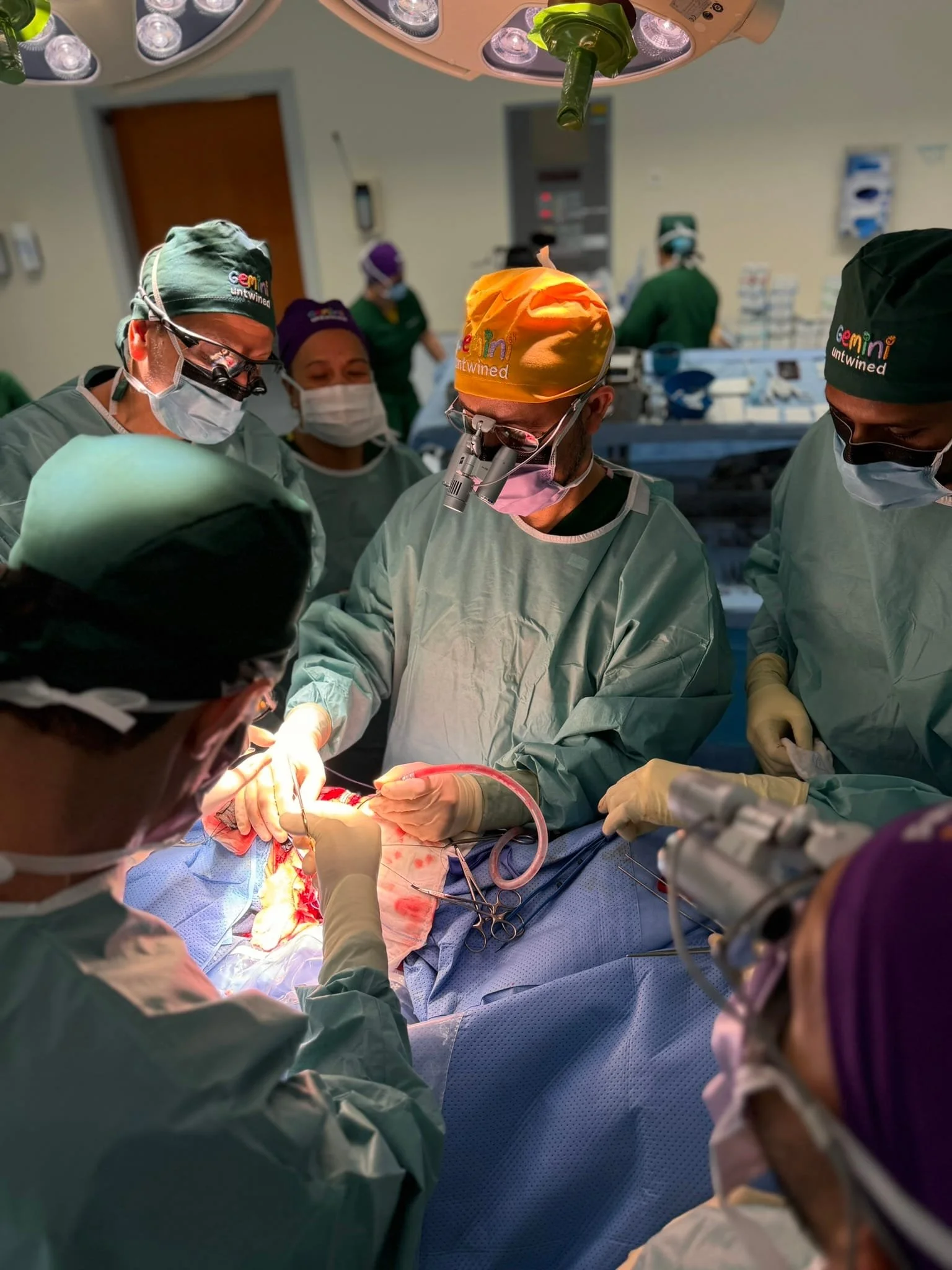
Surgery
“When you find all your roads and paths blocked, he will show you a secret way that no one knows.”
Rumi, 13th century Turkish Poet and Philosopher
-
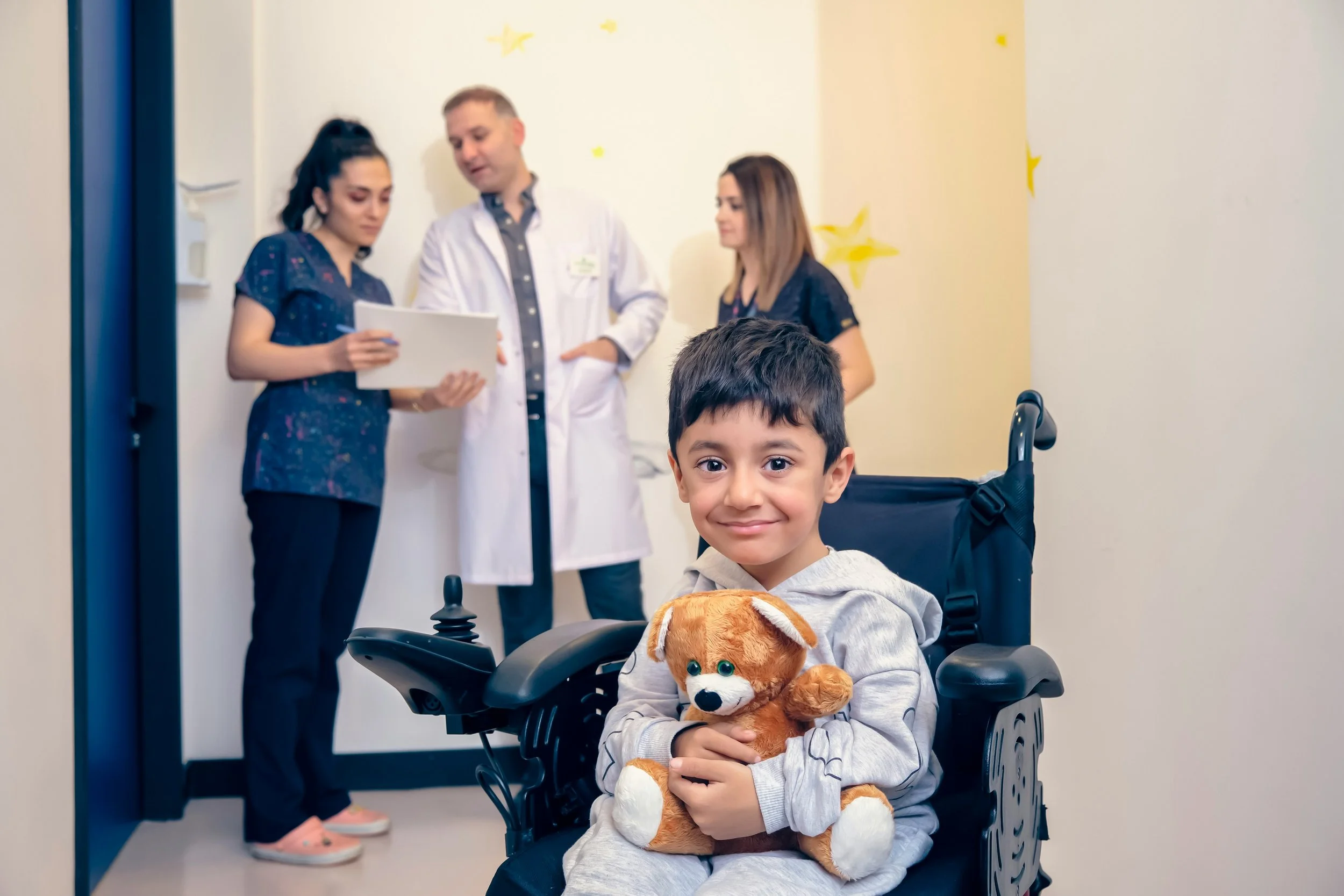
Rehabilitation
“The missing link between survival and a full life is too often the lack of specialist rehabilitation”
Prof Owase Jeelani
-
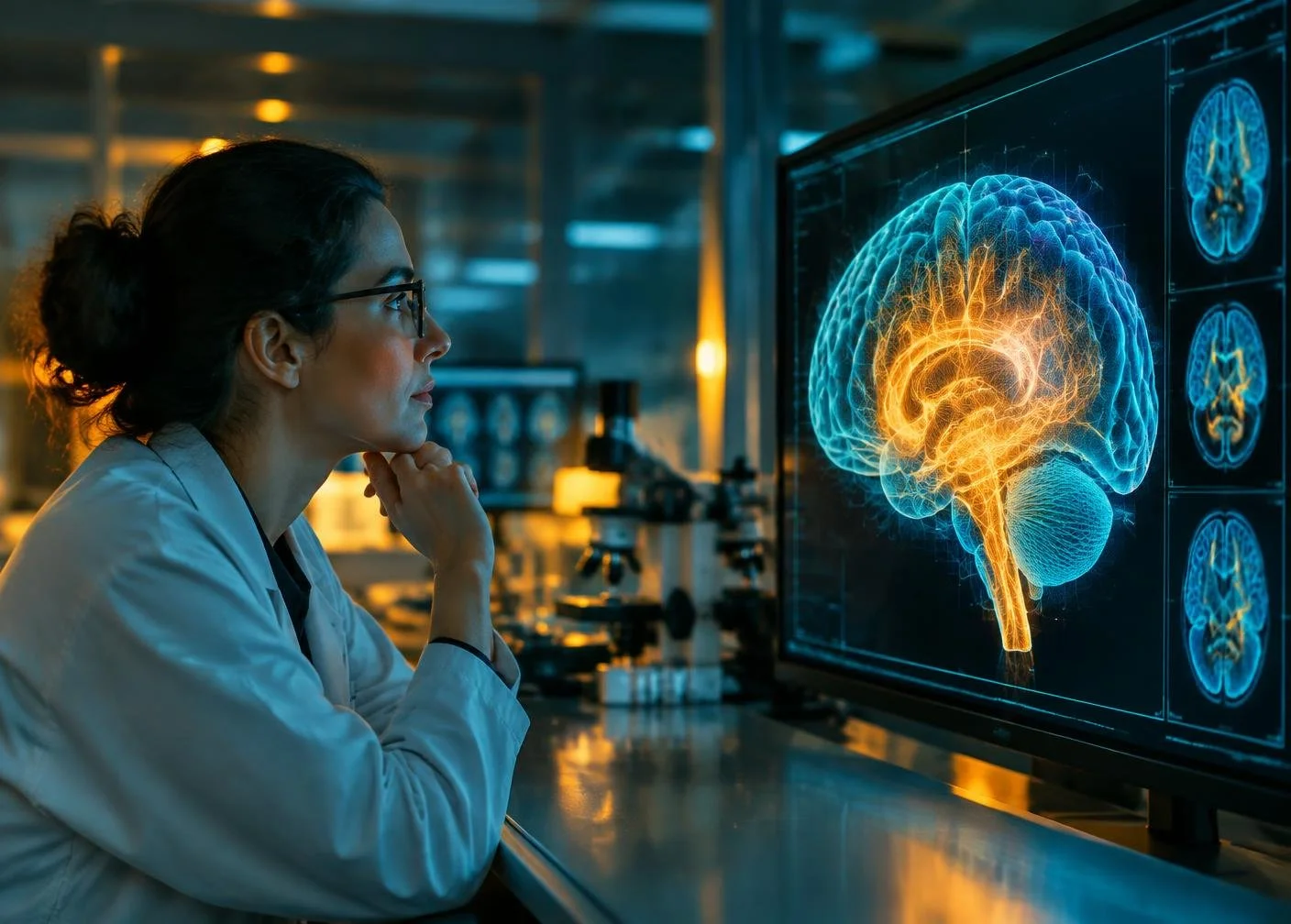
Research
“Research is formalised curiosity. It is poking and prying with a purpose.”
Zora Neale Hurston
-
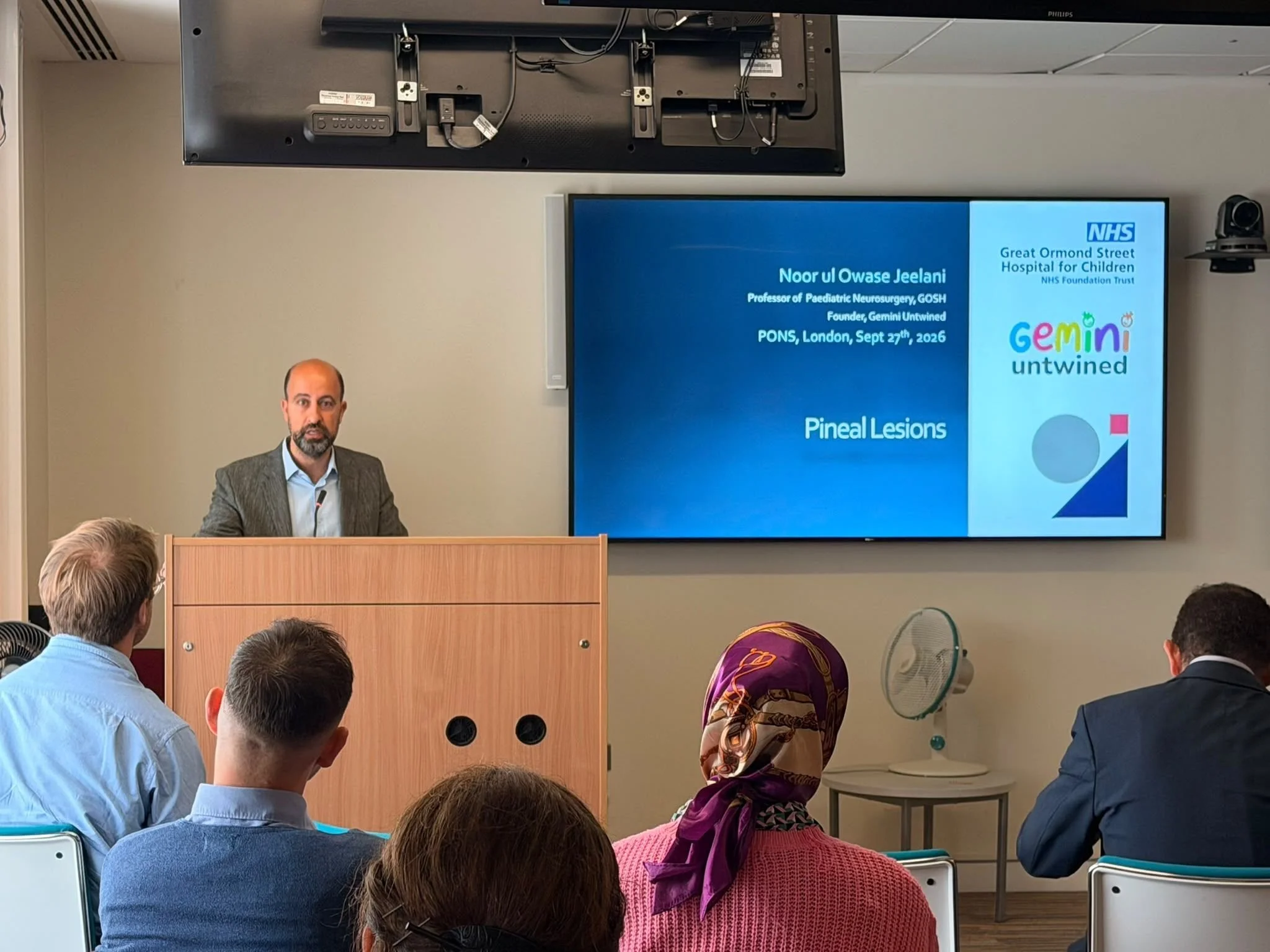
Education & Training
“Education is the most powerful weapon which you can use to change the world.”
Nelson Mandela
Testimonials from Clinicians